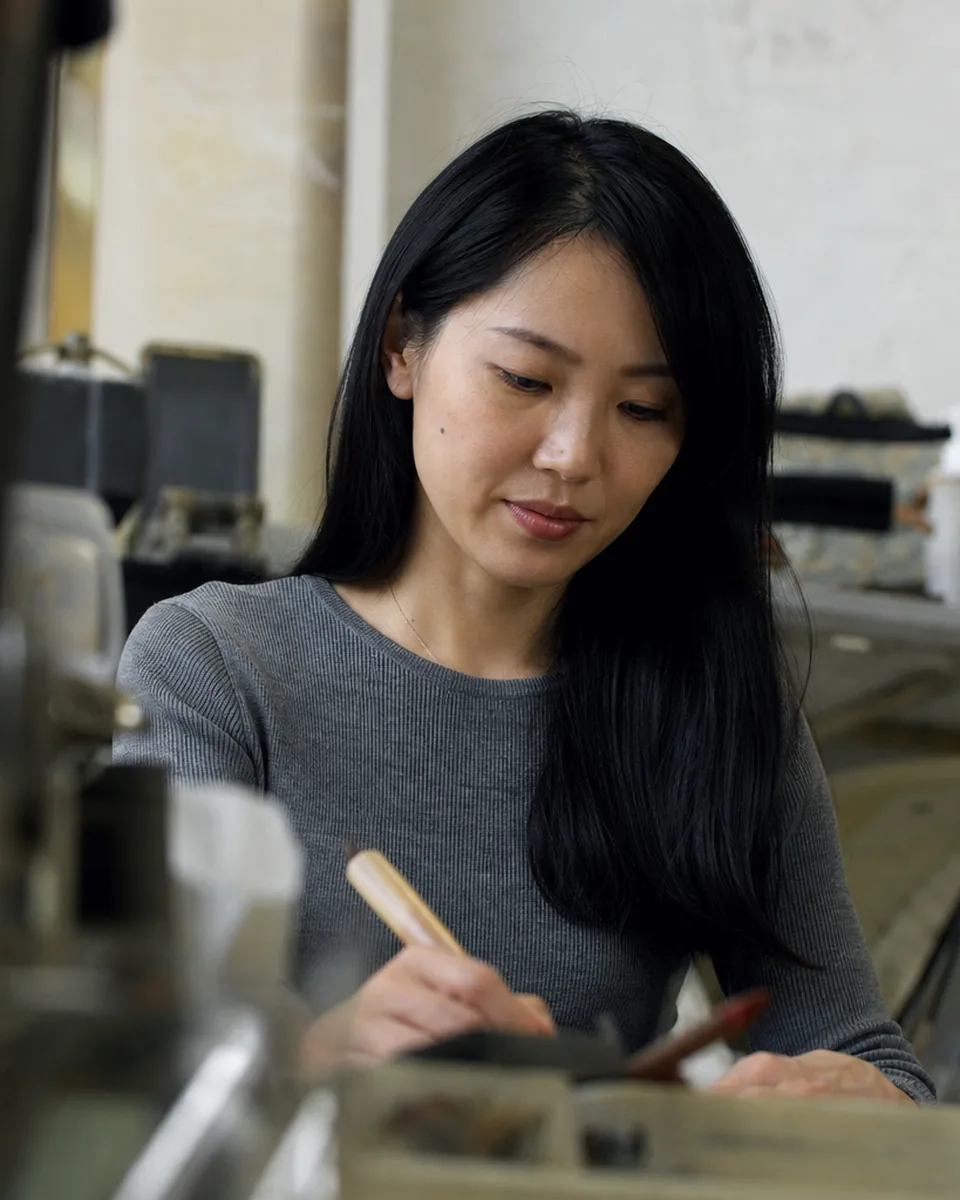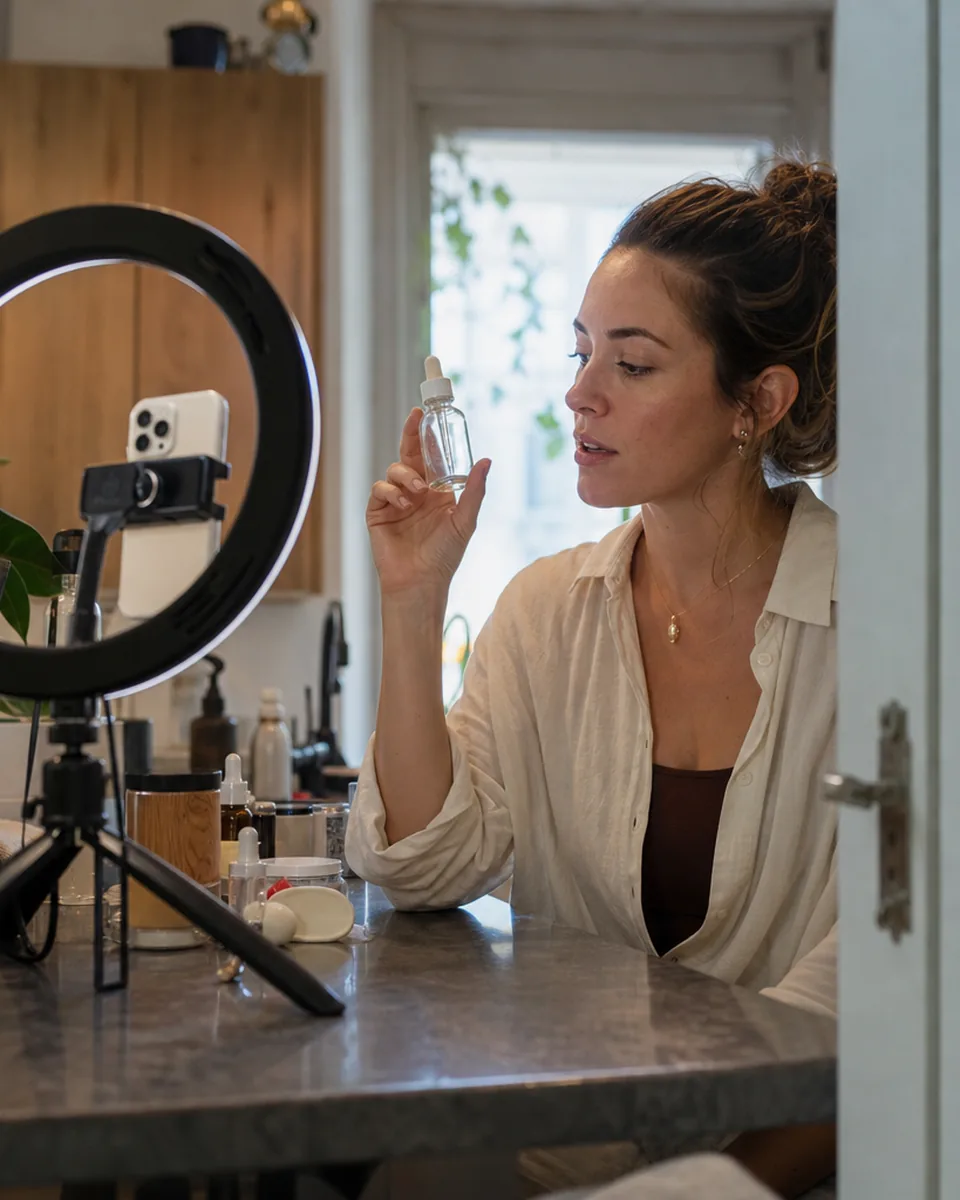
UGC models are hired to look real, not perfect
UGC stands for user generated content. Brands pay adults to film short videos and photos that look like a real customer made them. The clips run on TikTok, Instagram Reels, product pages and paid social ads.
A UGC model is not the same as an influencer. You do not need a big following. The brand is paying for the content and the right to use it, not for your audience. That is why people with 300 followers get booked next to people with 300,000.
A UGC model is also not a fashion model. Height, measurements and runway walk matter very little. What matters is that you look natural on camera, talk clearly, show the product well and follow a brief.
- Unboxing and first impressions of a product
- Talking head reviews ("three reasons I switched to this")
- Hands-on demos for skincare, kitchen tools, tech and supplements
- Lifestyle clips, such as a morning routine or a gym bag check
- Still photos for product pages and email campaigns
If you want the full picture of the work on offer, the ugc jobs page lists the types of briefs brands post and how they pay.
A phone and window light are enough to start
Brands care about clean audio, sharp focus and good light. They do not care about expensive cameras. Most UGC is filmed vertically on a phone, because that is how people watch it.
| Item | What to use | Rough cost |
|---|---|---|
| Camera | Any recent phone that records 4K at 30 fps | You already own it |
| Light | A window facing you, or one LED panel or ring light | $25 to $60 |
| Audio | A small clip-on wireless mic | $20 to $50 |
| Stability | A phone tripod with a remote | $15 to $30 |
| Background | A clean wall, kitchen counter or tidy shelf | Free |
| Editing | The free editor built into your phone or a basic mobile app | Free |
Film with the back camera when you can. It is sharper than the front camera. Turn on gridlines, lock exposure by tapping and holding on your face, and wipe the lens before every take. Light should come from in front of you or slightly to one side, never from behind.
Audio is the most common reason brands reject a clip. Record in a room with soft things in it (a couch, curtains, a rug) and turn off fans and the fridge if you can hear them.
Three test clips do more than a big portfolio
Brands decide in about ten seconds. Give them three short clips that prove you can do the job. Use products you already own and paid for. Do not show brand logos you have no deal with in a way that looks like an endorsement.
- Clip 1, the hook and talking head (15 to 20 seconds). Open with one strong line, show the product, give two benefits, end with a natural call to action.
- Clip 2, the hands-on demo (20 to 30 seconds). Show the product in use with close-ups of texture, buttons or results. Keep your hands clean and nails neat.
- Clip 3, the lifestyle clip (10 to 15 seconds). No talking, just a well-lit routine shot in four or five quick cuts.
Strong hooks are short and specific. For example: "I stopped buying this every month after I found this." Or: "This is what 30 days of using this looks like." Or: "Three things nobody tells you about this." The hook should land in the first two seconds.
Keep clips vertical (9:16), add captions, and keep music low or off. Many brands add their own music and text later, so they often ask for a clean version without either.
A complete profile gets you shortlisted
On PostModels, brands search and filter models before they ever read an application. A complete profile shows up in more searches and answers their questions before they ask.
- Photos. A clear headshot, a full body shot and two lifestyle shots in natural light. Up to 40 photos fit on a Model profile.
- Videos. Your three test clips. A Model profile holds up to 3 videos.
- Niche. Pick two or three you know well, such as skincare, fitness, home, pets, food or tech.
- Rates. Your rate per video, per photo set and for usage add-ons.
- Availability. Keep your calendar current so brands book you on dates you can actually film.
- Social stats. Add your accounts so brands can see them, verified by link.
- Verification. Every model passes ID and age verification before the profile goes live, and you get a Verified badge.
You can build a free one-time preview of your profile card at /start/model before you subscribe. When you are ready, the Model plan is $19 a month or $9 a month billed yearly. All plans are on the pricing page.
A good brief tells you exactly what to film
A paid UGC brief is a short document from the brand. Read all of it before you apply. If something is missing, ask in messages before you accept the booking.
| Brief section | What it tells you |
|---|---|
| Deliverables | How many videos or photos, length, and format (for example, two 30-second videos and five photos) |
| Hooks and talking points | Lines or ideas the brand wants, plus claims you must not make |
| Product shipping | When the product arrives and whether you keep it |
| Deadline | When drafts are due and how many revision rounds are included |
| Usage rights | Where the brand may use your content and for how long |
| Rate | The fee for the content and any extra fee for usage |
Watch for health and beauty claims. Brands usually tell you which words to avoid, such as "cures" or "guaranteed results". Say what you noticed, not what the product promises.
Your rate depends on deliverables and usage
Rates vary a lot by niche, experience and how the brand will use the content. Treat these as general market guidance in many US markets, not fixed prices.
- New UGC models commonly charge $75 to $150 per short video for organic social use.
- Experienced creators often charge $150 to $400 per video.
- Photo sets often run $50 to $200 for five to ten edited images.
- Paid ad usage is often priced as an add-on, commonly 20 to 50 percent of the base fee per extra month or per channel.
- Raw footage and a version without captions are often priced as add-ons too.
Usage rights are where many new creators lose money. "Organic social for 3 months" and "paid ads on all platforms for 12 months" are very different jobs. On PostModels, usage rights are set per casting and written into the booking agreement, so both sides know exactly what was bought.
If a brief also calls for in-person work, such as a shoot at a studio, compare it with commercial modeling jobs rates, which are usually quoted per hour or per day.
Short, specific applications win briefs
Brands get many applications for each casting. The ones that get shortlisted answer the brief directly.
- Open with one sentence on why you fit this product. For example: "I use a vitamin C serum every morning and have dry skin, which matches your target customer."
- Link the one test clip that is closest to this brief.
- Confirm the deliverables, the deadline and that you have read the usage terms.
- Give your rate, or confirm the posted rate.
- Keep it under 100 words.
A Model plan includes up to 60 applications per month, counted per billing period. That is plenty if you apply to castings that truly fit, rather than sending the same note to everything. Browse open briefs on the castings board and filter by remote UGC.
Remote work is common in UGC. Many briefs ship the product to you, and you film at home. That makes it real freelance modeling jobs you can do from any city.
Deliver on time and you get rebooked
Repeat bookings are where UGC income gets steady. Brands that run monthly ad tests need fresh clips every month, and they rebook people who were easy to work with.
- Confirm the shipping date right after you are booked, and tell the brand when the product arrives.
- Film more takes than you need. Send the best ones.
- Name files clearly, such as "brand_hook1_v1.mp4".
- Deliver a version with captions and one without, if the brief asks for it.
- Handle one round of small revisions quickly and politely.
- Never post the content on your own accounts unless the brief says you can.
Payment for bookings made through PostModels is held by the platform and released to your payout account after the job. A real client never asks you to pay a fee to get a job. If anyone does, report the casting with the button on the page. Read more on model safety.
Your first week as a UGC model
- Day 1. Set up your light, tripod and mic. Film a test of yourself talking for 30 seconds and fix audio and light.
- Day 2. Write ten hooks for products you own.
- Day 3. Film your three test clips.
- Day 4. Edit, caption and export them vertically.
- Day 5. Build your profile with photos, clips, niche, rates and availability.
- Day 6. Pass ID and age verification.
- Day 7. Apply to five castings that match your niche, with a short note for each.